
Forex Trading Software Development Crafting Solutions for Financial Markets
-
 by Nextdoorhost
- 10/11/2025
- trading16
- 0

Forex Trading Software Development: Crafting Solutions for Financial Markets
The financial trading landscape has undergone a paradigm shift with the advent of technology and software solutions. Forex trading, being one of the most liquid markets globally, necessitates robust software tools for effective trading management and strategy implementation. In this article, we explore the role of a forex trading software developer, the technologies involved, and how entities like forex trading software developer Trading Vietnam integrate these solutions for improved trading outcomes.
Understanding Forex Trading Software
Forex trading software is essential for traders, brokers, and financial institutions. It encompasses various applications aimed at facilitating trading activities, including market analysis, trade execution, portfolio management, and risk management. These tools can be broadly categorized into two types: proprietary solutions developed in-house by trading firms and third-party platforms provided by software vendors.
The Role of a Forex Trading Software Developer
A forex trading software developer plays a crucial role in creating and maintaining these trading platforms. Their responsibilities generally include:
- Requirement Analysis: Understanding the specific needs of traders and stakeholders to develop tailored software solutions.
- Software Development: Writing code and implementing features that ensure the software meets trading requirements.
- Testing and Quality Assurance: Conducting rigorous testing to identify and fix bugs, ensuring that the software is reliable and robust.
- Integration: Ensuring that the trading software integrates seamlessly with existing financial systems and API services.
- Maintenance and Support: Providing ongoing support and updates to adapt to changing market conditions and regulations.
Key Technologies in Forex Trading Software Development
Developing forex trading software involves a range of technologies, frameworks, and programming languages. Here are some key components:
1. Programming Languages
Common programming languages used in forex trading software development include:
- Java: Widely used for its portability and robustness, making it suitable for building high-performance trading applications.
- C++: Known for its efficiency and speed, which are critical in a fast-paced trading environment.
- Python: Favored for its simplicity and extensive libraries, particularly in data analysis and machine learning.
- C#: Often used in developing applications for Windows platforms, especially for integrating with MT4 and MT5 trading terminals.
2. APIs and SDKs
Many brokers and trading platforms provide APIs (Application Programming Interfaces) and SDKs (Software Development Kits) that enable developers to access market data and execute trades programmatically. Popular APIs include:
- MetaTrader API: Offers capabilities for automation and integration with MT4 and MT5 platforms.
- Fix API: Standardized interface used for electronic trading, particularly in institutional trading environments.
- RESTful APIs: Used for connecting web applications and services, allowing for more flexible communication between systems.
Types of Forex Trading Software
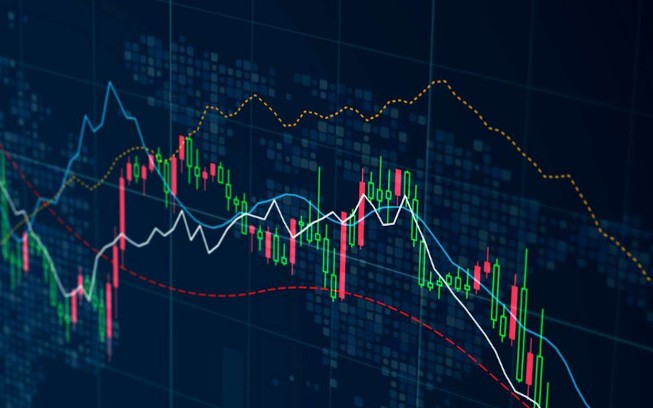
There are several types of software solutions developed for forex trading, each serving specific needs:
1. Trading Platforms
These are comprehensive applications that facilitate the execution of trades. They provide traders with features for technical analysis, charting, and real-time data feeds.
2. Algorithmic Trading Systems
These systems automate the trading process based on predefined rules and algorithms. Developers create strategies that can adapt to market conditions and execute trades without human intervention.
3. Risk Management Tools
These tools help traders manage their exposure and mitigate risks. They often include features such as stop-loss orders and position sizing calculators.
4. Market Analysis Tools
Developers create applications that analyze market trends and provide insights into potential trading opportunities. This includes both fundamental and technical analysis tools.
Challenges in Forex Trading Software Development
Developing forex trading software comes with its set of challenges:
- Market Volatility: The forex market is highly volatile, requiring software to be responsive and able to handle rapid changes.
- Data Security: Protecting sensitive financial information is paramount, necessitating robust security measures.
- Compliance with Regulations: Developers must ensure that their software adheres to financial regulations and compliance standards, which can vary by region.
- User Experience: Providing a seamless user interface is crucial for trader satisfaction, which requires constant user feedback and design iterations.
The Future of Forex Trading Software Development
The future of forex trading software development is promising, as technology continues to evolve. New trends to watch include:
- Artificial Intelligence and Machine Learning: These technologies are beginning to play a significant role in market analysis and automated trading strategies.
- Blockchain Technology: The adoption of blockchain for secure transactions and smart contracts could revolutionize forex trading.
- Mobile Trading Applications: With the rise of mobile trading, developers are focusing on creating robust applications that offer full trading capabilities on mobile devices.
Conclusion
Forex trading software development is a dynamic and rapidly evolving field that combines finance, technology, and innovative thinking. As financial markets become increasingly complex, the demand for sophisticated trading solutions will continue to grow. Developers who can navigate these challenges and harness emerging technologies will play a vital role in shaping the future of forex trading.
Join The Discussion